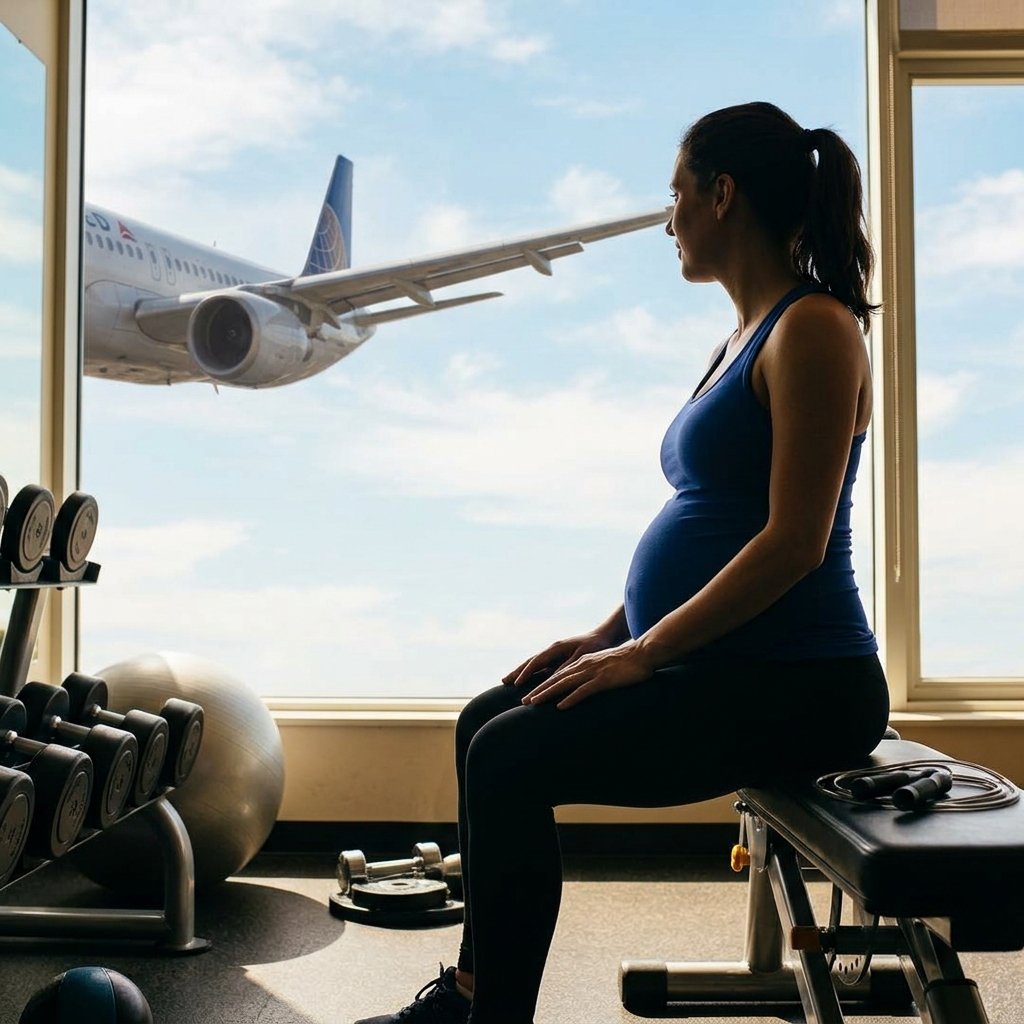
When the acute pain of recovery passes, patients have many practical questions regarding returning to a truly normal, active life. From planning a pregnancy to catching a flight, understanding exactly when you can safely resume these activities is critical after expert gynecological surgery.
Pregnancy Timelines
Many women undergo laparoscopic procedures specifically to enhance their fertility. Unblocking fallopian tubes or undergoing specialized endometriosis care drastically improves your chances of conceiving. However, you must allow your uterus time to heal! If your surgeon made incisions directly into the uterine wall (like during minimally invasive fibroid treatment), you will typically be advised to wait 3 to 6 months before trying to conceive to prevent uterine rupture during pregnancy. For diagnostic laparoscopy or a simple laparoscopic ovarian cyst removal, you often only need to wait 1 to 2 menstrual cycles.
Traveling Post-Surgery
Because laparoscopy carries an exceptionally short recovery window, travel restrictions are brief:
- Car Travel: As a passenger, you can take car rides immediately. However, for trips over an hour, ensure you stop every 60 minutes to stretch your legs.
- Flying: Most airlines and surgeons ask you to wait 7 to 10 days before flying. Changes in cabin pressure and the risk of deep vein thrombosis (DVT/blood clots in the legs) make early flying risky.
Resuming Daily Activities & Work
Your return to work depends heavily on your profession. Desk jobs or remote computer work can usually be resumed within 7 to 10 days. However, if your job requires heavy lifting, standing all day, or intense physical exertion, expect to take 3 to 4 full weeks of medical leave. Strenuous exercises like heavy weightlifting, intense pilates, or long-distance running should be paused for a full 4 to 6 weeks.
Planning Your Return to Normal Life?
For a customized recovery timeline based specifically on the complexity of your surgical case, book a check-in appointment with Dr. Ankita Bansal Goyal.
Book Your Follow-Up →Frequently Asked Questions
1. Will a laparoscopic myomectomy affect how I deliver my baby?
Yes. If your fibroid removal was extensive and penetrated the uterine wall deeply, your doctor will likely recommend a scheduled C-section for future pregnancies to ensure the safety of your healing uterus.
2. When can I resume sexual intercourse?
A general rule is to wait 2 to 4 weeks to allow internal tissues to knit back together. Always confirm this with your doctor during your post-op checkup.
3. Are compression socks necessary if I travel by plane?
Yes. If you must fly within 3 to 4 weeks of surgery, wear graduated compression stockings during the flight and walk up and down the aisle periodically to prevent blood pooling in your legs.
4. I am a mother to a toddler. When can I pick them up?
Avoid lifting any child over 10 to 15 lbs for at least 3 weeks. Try to sit down and let your child climb onto your lap instead.
5. Can I use tampons when my period returns?
You should use sanitary pads instead of tampons for your first post-surgical menstrual cycle to heavily minimize the risk of introducing bacteria into a healing reproductive tract.
6. Will my first period be heavier after laparoscopy?
Absolutely. It is highly common for your first one or two cycles to be heavier, more painful, or irregular as your hormones and internal tissues readjust.
7. When can I do core abdominal exercises?
Wait a minimum of 6 weeks before engaging in targeted core workouts (like crunches, planks, or heavy pilates) to ensure your abdominal fascia has completely healed and won't herniate.