Fibroid Treatment in Ambikapur
Advanced minimally invasive Myomectomy and comprehensive care. Reclaim your comfort and protect your fertility.
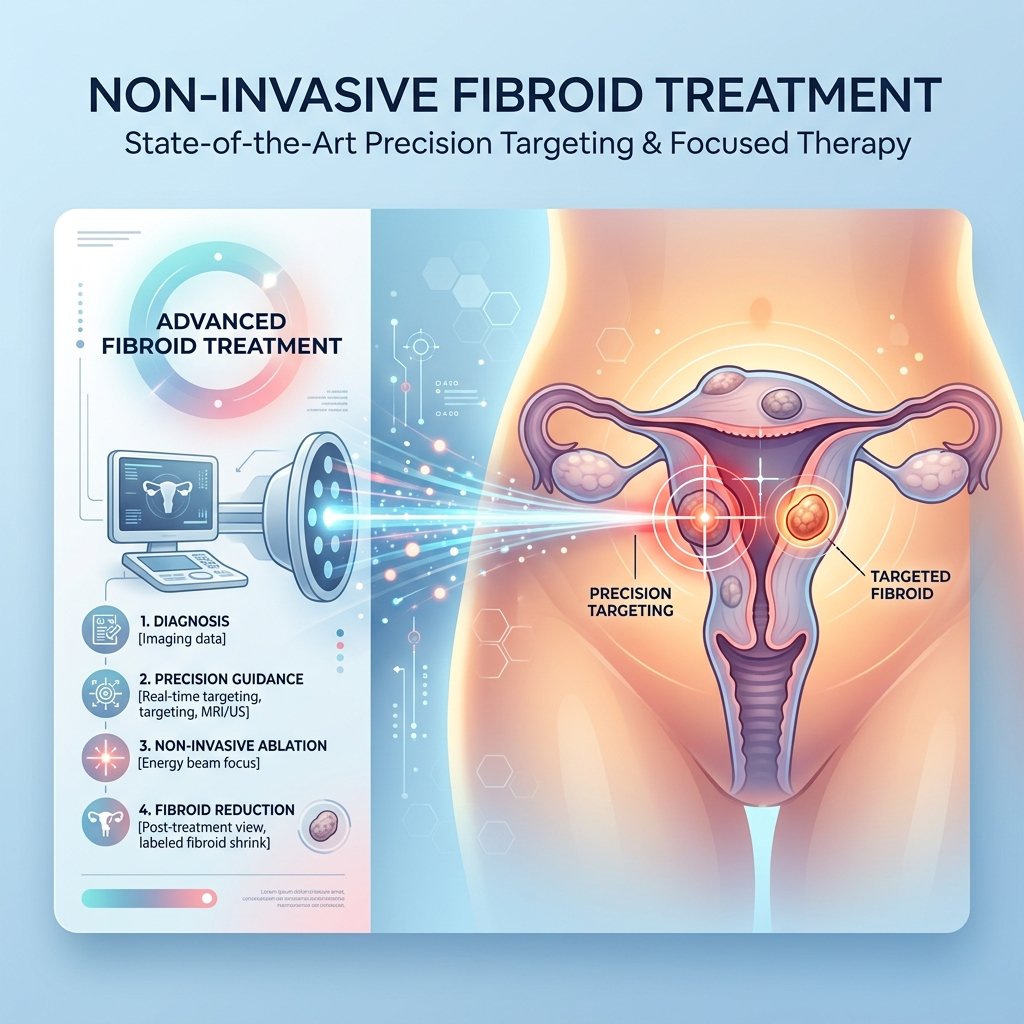
Regain Your Quality of Life
Uterine fibroids are benign muscular tumors growing within the walls of the uterus. While extremely common during reproductive years, they can cause a severe decline in quality of life when they grow large. Seeking professional Fibroid Treatment in Ambikapur is essential if these growths are causing you disruptive pain, unusually heavy periods, or jeopardizing your chances of becoming pregnant.
Dr. Ankita Bansal Goyal specializes in the highly intricate management and surgical removal of uterine fibroids. With elite access to 3D laparoscopic technology at Sankalp Hospital, she provides fertility-preserving treatments that eliminate the need to travel far for complex gynecological surgeries.
Recognizing the Symptoms
Because fibroids vary drastically from the size of a seed to a large melon, symptoms are wide-ranging. You should consult immediately if you experience:
Heavy Bleeding
Prolonged periods with blood clots, leading to extreme chronic fatigue.
Pelvic Pressure
A constant dull ache or heavy sensation deep in the lower abdomen.
Frequent Urination
Large front-growing fibroids pressing directly against the bladder.
Comprehensive Treatment Options We Offer
Dr. Ankita is dedicated to providing tailored treatment plans matching a patient's exact age, symptom severity, and desire for future children:
- Medical Management: Utilizing hormonal meds (IUDs, pills) or GnRH agonists to completely regulate bleeding and shrink fibroids prior to surgery.
- Laparoscopic Myomectomy: The absolute gold standard. Utilizing 3D vision to meticulously slice and remove solely the fibroids through 0.5cm incisions, preserving the entire uterus for pregnancy.
- Operative Hysteroscopy: Removing inner-cavity (submucosal) fibroids utilizing a camera passed directly through the vagina—requiring exactly zero external incisions.
- Total Laparoscopic Hysterectomy: For massively enlarged fibroids in post-menopausal women, offering a minimally-invasive, permanent cure.

World-Class Uterine Care
"Being told you have a tumor is terrifying. My priority is reassurance. Over 99% of fibroids are benign. By using advanced 3D Myomectomy, we can systematically remove these tumors while meticulously repairing the uterine wall, keeping your dream of motherhood safely intact."
– Dr. Ankita Bansal Goyal
Frequently Asked Questions
1. Are uterine fibroids cancerous?
No. More than 99% of fibroids are completely benign (non-cancerous) tumors. Having fibroids does not increase your risk of developing uterine cancer.
2. Can fibroids grow back after surgery?
The specifically targeted fibroid removed will not grow back. However, because your body still produces hormones naturally, new fibroids can potentially develop in the uterus over time.
3. I want a baby. Should I have my fibroids removed?
If fibroids are actively distorting the inner cavity of the uterus, they will prevent embryos from implanting properly or cause miscarriages. A prior fertility-preserving myomectomy is strongly advised.
4. What is the recovery time for a Myomectomy?
Because we utilize minimally invasive keyhole surgery exclusively, hospital stays are limited to 24-48 hours. Most women confidently return to normal daily activities within 1 to 2 short weeks.
5. Can a healthy diet shrink my fibroids?
A healthy, vitamin-rich diet helps regulate hormone baseline levels and potentially slows growth, but diet alone cannot physically shrink a solid fibroid that is already causing noticeable physical symptoms.
6. Do fibroids shrink naturally after menopause?
Yes. Fibroid growth is fueled entirely by estrogen and progesterone. Upon reaching menopause, these hormone levels crash down, causing existing fibroids to drastically decrease in size.
7. How do I definitely know if I have fibroids?
Diagnosis is entirely painless. It is normally quickly confirmed in-clinic through a routine physical pelvic examination followed immediately by a specialized pelvic ultrasound.