High-Risk Pregnancy Care in Ambikapur
Ensuring the Safest Journey for You and Your Baby through proactive screening, expert intervention, and profound clinical compassion.

Navigating a Difficult Pregnancy With Confidence
Being told your pregnancy is "high-risk" can immediately induce immense anxiety. However, a high-risk label simply means that you or your baby require specialized monitoring and rigorous medical attention throughout the gestation period to prevent complications. Choosing the right specialist for High-Risk Pregnancy Care in Ambikapur is the absolute most important decision you will make to ensure a healthy, joyful delivery.
Dr. Ankita Bansal Goyal at Sankalp Hospital possesses the advanced clinical expertise required to expertly manage the most complex obstetric scenarios. From early pre-conception counseling to postpartum monitoring, she provides a holistic safety net for mothers facing difficult pregnancies.
Conditions We Actively Manage
A pregnancy is classified as high-risk when maternal or fetal health conditions significantly increase the chances of adverse outcomes:
- Gestational Diabetes: Spikes in blood sugar occurring exclusively during pregnancy that can drastically increase the baby's birth weight.
- Preeclampsia: A sudden, dangerous spike in blood pressure accompanied by organ damage that requires intense regulation.
- Advanced Maternal Age: Pregnancies occurring in women over the age of 35 carrying statistically higher risks for chromosomal abnormalities.
- Multiple Gestations: Carrying twins or triplets places tremendous physical stress on the uterus and drastically increases pre-term labor risks.
- Previous Miscarriages: A history of recurrent miscarriages or prior premature births requiring early proactive cervical interventions.
Our Specialized Monitoring Protocols
Managing a high-risk pregnancy means staying several steps completely ahead of potential complications:
Advanced Ultrasounds
Frequent Level-II scans tracking fetal growth and measuring amniotic fluid accurately.
Fetal Heart Scans
Routine Non-Stress Tests (NST) strictly monitoring the baby's steady heart rate in-utero.
NIPT Testing
Sophisticated blood tests performed early to effortlessly screen for chromosomal disorders.
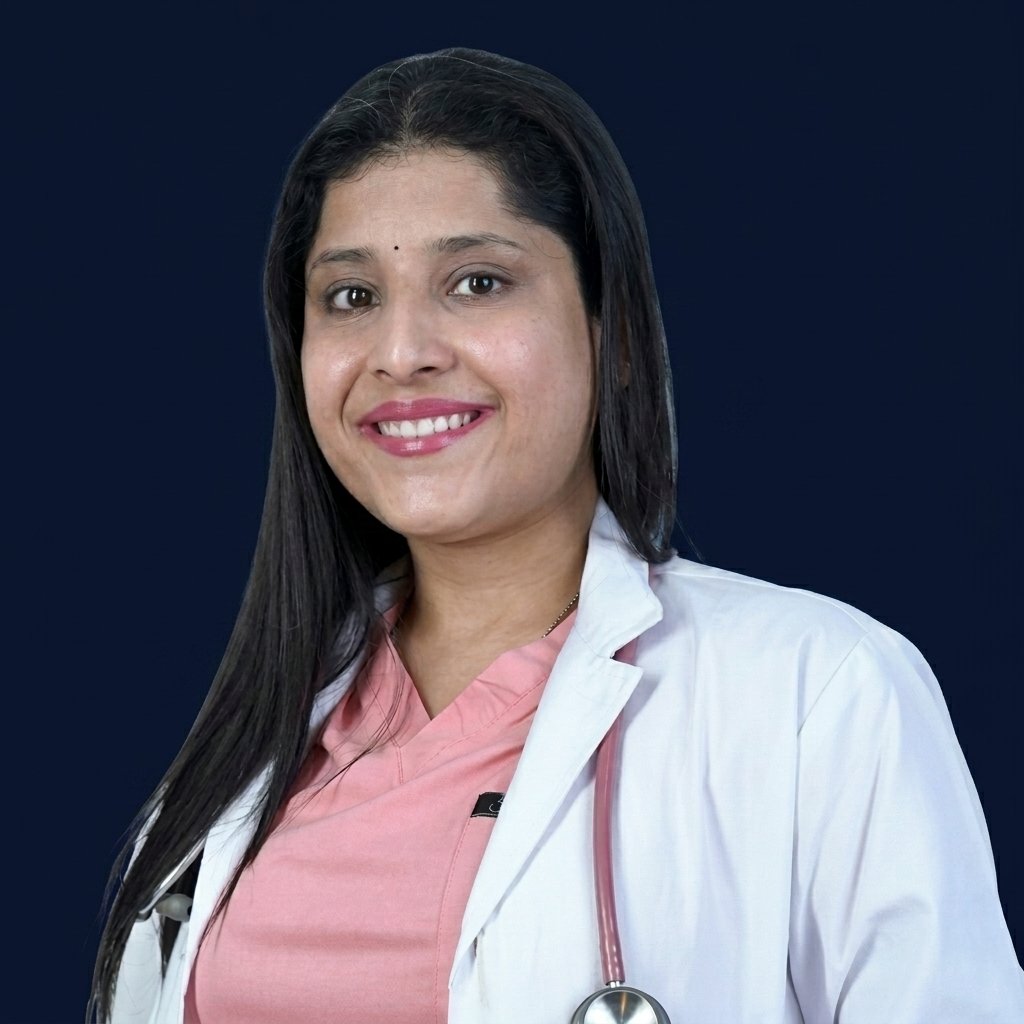
Compassionate & Coordinated Care
"An intricate pregnancy requires an intricate plan. We do not just react to emergencies; we anticipate them. By coordinating heavily across endocrinology and neonatal specialists, I ensure that when the time comes to deliver, nothing is left to chance."
– Dr. Ankita Bansal Goyal
Frequently Asked Questions
1. If I am over 35, is my pregnancy high-risk automatically?
Yes, clinically, being 35 or older classifies the pregnancy as "Advanced Maternal Age." While many women over 35 have effortlessly healthy pregnancies, the statistical risks for gestational diabetes and blood pressure are higher, requiring closer monitoring.
2. Will a high-risk pregnancy always result in a C-section?
Not necessarily. Many women with high-risk pregnancies go on to have incredibly safe vaginal deliveries. A Cesarean section is only performed if labor critically fails to progress.
3. How often will I need to see the doctor?
In a standard pregnancy, visits are monthly. In a high-risk scenario, Dr. Ankita may require you to visit every two weeks from the start, and possibly once a week during the entire final trimester.
4. Can stress make my high-risk pregnancy worse?
Yes, severe anxiety effectively elevates physical blood pressure and temporarily impacts the immune system. Dr. Ankita aggressively promotes comprehensive mental well-being and counseling alongside physiological treatments.
5. What is Preeclampsia, and why is it dangerous?
Preeclampsia is characterized by sudden, high blood pressure and signs of damage to the liver or kidneys. If unmanaged, it can be fatal to both mother and baby, which is why immediate medication is imperative.
6. Will I certainly need full bed rest?
Not always. Total bed rest is prescribed much less frequently today. Dr. Ankita usually recommends heavily "modified" activity levels (avoiding lifting and vigorous exercise) instead of strict bed rest.
7. What are the signs I need to immediately rush to the hospital?
You should run to the hospital if you experience heavy vaginal bleeding, a sudden gush of clear fluid, severe abdominal pain, persistent dizzying headaches, or a completely noticeable decrease in the baby's movements.